
The Allure of Casino Games
Casino games have captivated players for centuries, offering an exciting blend of chance, skill, and potential reward. The thrill of winning is heightened by the unpredictable nature of these games, creating an allure that draws individuals into the world of gambling. Understanding this attraction involves exploring the psychological factors that compel players to engage in these high-stakes environments, including options like real money online casino florida.
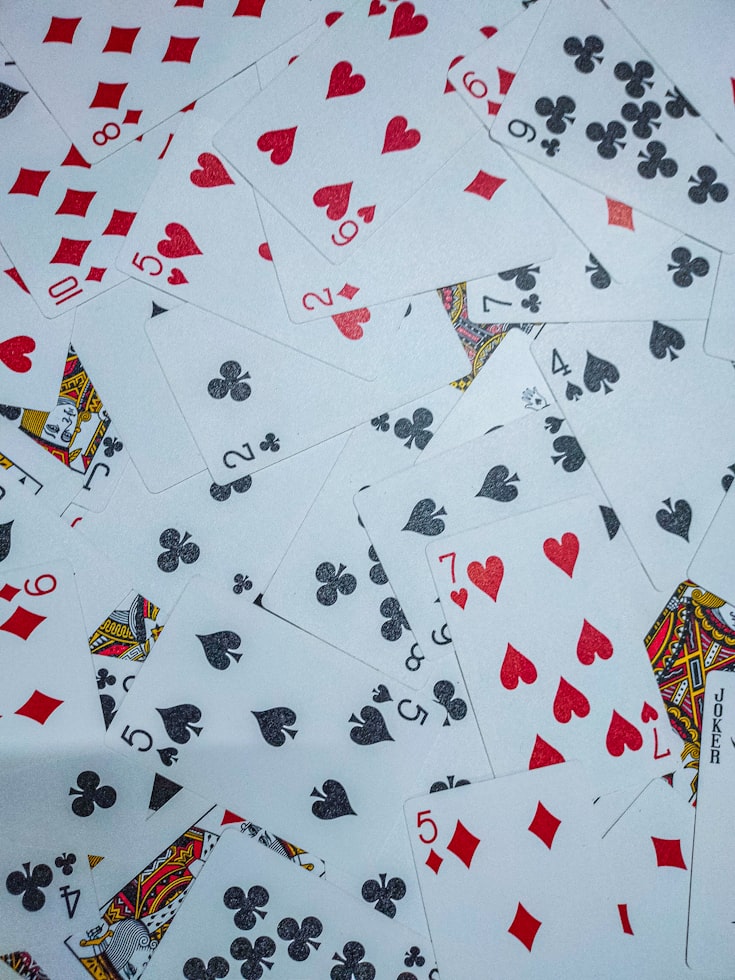
The excitement experienced in a casino setting often triggers the release of dopamine, a neurotransmitter associated with pleasure and reward. This chemical response can create a cycle where players continually seek the high associated with potential wins, leading to repeated visits to casinos. This behavior can be analyzed through the lens of behavioral psychology, which highlights how reinforcement can shape gambling habits over time.
The Role of Risk and Reward
One of the central psychological elements of casino games is the concept of risk and reward. Players are often drawn to the thrill of taking risks, as the potential for significant rewards can seem enticing. This dynamic is especially pronounced in games of chance, like slot machines and roulette, where outcomes are entirely random. The unpredictable nature of these games amplifies the excitement and keeps players engaged.
Moreover, the prospect of a big win can cloud judgment, leading players to take larger risks than they might under normal circumstances. This phenomenon, known as “loss chasing,” occurs when individuals continue to gamble in hopes of recouping losses. Understanding this behavior is crucial for players to recognize the impact of emotions on their gambling decisions.
The Social Environment of Casinos
The social dynamics within a casino setting also significantly influence player behavior. The atmosphere is designed to be stimulating and immersive, often filled with sounds, lights, and social interactions. This environment can enhance the gaming experience, making players more likely to engage in risky behaviors.
Furthermore, the presence of fellow gamblers can create a sense of community and shared excitement, leading individuals to gamble more than they might when alone. The psychological concept of social proof—where individuals look to others for cues on how to behave—can play a significant role in encouraging risky betting patterns in group settings. Casinos capitalize on this social interaction, making the experience more enticing and often leading to prolonged gaming sessions.
The Psychological Impact of Loss
The psychological aftermath of losing in a casino can also affect player behavior significantly. Losses can evoke strong emotional responses, including disappointment, frustration, and even anger. These emotions can drive players to continue gambling in an attempt to recover their losses, perpetuating a cycle that may lead to problematic gambling behavior.
Understanding the emotional toll of gambling losses highlights the importance of responsible gambling practices. Players must be aware of their emotions and set limits to avoid chasing after losses, which can lead to increased risk-taking and potential financial problems. By recognizing the psychological impact of losses, players can better navigate their gambling experiences.
Ensuring a Safe Gambling Environment
At our website, we prioritize creating a secure environment for players to enjoy their gaming experiences. By utilizing advanced security services, we protect our users from online threats and potential cyber attacks. This commitment to safety allows players to focus on the entertainment aspect of casino games without the worry of external threats.
We also encourage responsible gaming practices and provide resources for those who may need assistance. By fostering a safe and supportive environment, we aim to enhance the overall experience while promoting well-being among our players. Understanding the psychology behind gambling is essential, and we strive to create a gambling experience that is both enjoyable and responsible.